

Sustainability Sells: Why Eco-Friendly Homes Appeal to 2025 Buyers
by CBTLG
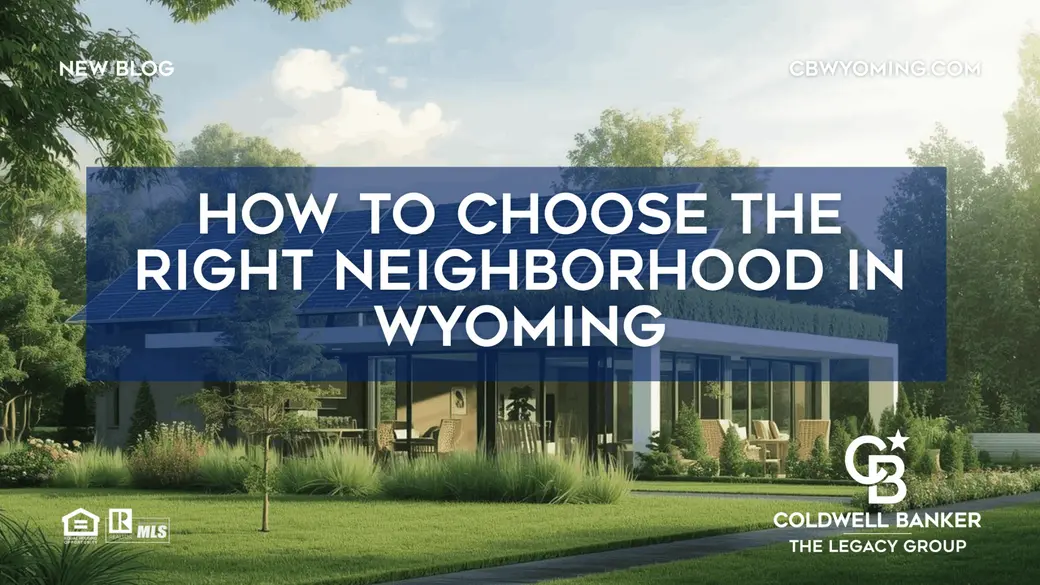
Sustainability Sells: Why Eco-Friendly Homes Appeal to 2025 Buyers
Green Home Trends Are Booming in 2025
Eco-friendly features have moved from niche to mainstream in the U.S. housing market. Homebuyers in 2025 are increasingly prioritizing sustainability, from energy-efficient designs to smart-home tech that cuts waste. According to a National Association of REALTORS® survey, more than two in five agents (42%) worked with a property that had green features in the past year. Likewise, Realtor.com’s 2025 Home Trends Report shows a surge in listings highlighting eco-upgrades – mentions of water-saving fixtures jumped nearly 290% year-over-year as sellers recognize that sustainability sells. “Buyers increasingly view eco-friendly upgrades as both a lifestyle choice and a smart financial investment,” notes Realtor.com economist Anthony Smith. In short, features once considered extras – solar panels, smart thermostats, efficient windows, etc. – are now key selling points that can make a home stand out.
Why Today’s Buyers Love Eco-Friendly Features
Modern homebuyers are motivated by both practical benefits and personal values when it comes to “green” homes. A few reasons why sustainable features are so appealing in 2025 include:
-
Lower Bills and Energy Savings: With utility costs rising, buyers welcome anything that reduces monthly expenses. Efficient heating/cooling systems, high-performance windows and insulation, and Energy Star appliances can dramatically cut energy bills. In fact, heating/cooling efficiency is one of the top concerns for buyers – 33% of recent homebuyers rated this “very important” in their purchase decisions. Homes with upgrades like smart thermostats and LED lighting allow owners to save money year-round through lower energy use.
Smart thermostats can learn your schedule and adjust temperatures automatically, optimizing comfort while avoiding energy waste. In 2025, devices like these are a must-have for tech-savvy, efficiency-conscious buyers. They allow remote control of heating and cooling and ensure you’re not paying to heat an empty house.
-
**Long-Term Resilience and Self-Sufficiency: Beyond immediate savings, green features promise resilience in the face of rising utility rates and environmental concerns. Solar panels with battery backups, for example, let homeowners generate their own power and even have electricity during grid outages. “Net-zero ready” homes – built so they can produce as much energy as they consume – doubled in listing mentions over the past year. Buyers appreciate that these homes are future-proof, insulating them from energy price shocks. Even in Wyoming, where sunshine is abundant (Casper sees ~220 sunny days a year), more locals are exploring solar installations to harness clean energy at home. Rooftop solar is one of the most visible green upgrades, and its popularity keeps climbing.
For instance, adding solar panels not only cuts electricity bills but also appeals to eco-conscious buyers who like the idea of generating their own power. Studies have found that homes with solar often sell at a premium, reflecting the high demand for renewable energy features.
-
Water Conservation and Smart Use of Resources: Water efficiency has become a top trend as well. Nationwide, the cost of water and sewer services has been climbing faster than overall inflation. In response, buyers are looking for low-flow fixtures, rainwater harvesting systems, and drought-tolerant landscaping. Realtor.com data shows home listings mentioning WaterSense® faucets, efficient sprinklers, or other water-saving features had a median price well above average in 2025 – indicating that mid- to high-end buyers especially value these upgrades. Here in Wyoming, savvy homeowners use xeriscaping (native, low-water plants) and smart irrigation controllers to conserve water during our dry summers. Features like efficient hot water heaters and greywater recycling can also set a listing apart for sustainability-minded shoppers.
-
Healthier Indoor Living: A “green” home isn’t just about the planet – it’s also about the health of the people inside. Buyers today pay close attention to indoor air quality and environmental health. Builders are using low-VOC paints, formaldehyde-free insulation, and better ventilation systems to create healthier indoor environments. This resonates with buyers who have allergies or just want a cleaner, toxin-free home. The National Association of Home Builders notes that homes built with air quality in mind (e.g. with fresh air ventilation systems, HEPA filters, and hard-surface flooring to reduce dust) can command higher prices and stand out in the market. Simply put, an eco-friendly home feels better to live in – with more natural light, less drafts, and fewer pollutants – which is a major selling point for families and retirees alike.
-
Smart Tech and Convenience: Sustainability and technology go hand-in-hand. Many 2025 buyers are excited by smart home systems that improve efficiency – not only smart thermostats but also smart lighting, leak detectors, and energy monitoring apps. These tools help owners optimize their resource use (for example, lights that turn off automatically or irrigation systems that adjust to rainfall). The appeal here is convenience and conscience: high-tech homes that are easier to manage and also waste less energy and water. As one real estate coach put it, the definition of a “modern home” has evolved – buyers now ask about EV charging, solar readiness, and high-speed smart systems rather than just granite countertops. In Wyoming, features like a garage EV charger are emerging on wish-lists as electric cars slowly gain ground; being able to charge at home is a forward-looking bonus that can sway a buyer who’s thinking about an EV in the future.
Do Sustainable Features Increase Home Value?
Green upgrades aren’t just good for the environment – they can also boost your property value and resale potential. Numerous studies and real-world sales data confirm that homes with eco-friendly features often sell for more and/or sell faster than comparable homes without them. For example:
-
Higher Sale Prices: Energy-efficient homes tend to command a price premium. The U.S. EPA reports that rated energy-efficient homes (including ENERGY STAR certified houses) have shown resale price premiums of about 2% to 8% in various markets. A large Freddie Mac study found efficient homes sold for roughly 3–5% more than similar less-efficient homes. Solar power can add even more value – an analysis of hundreds of recent sales found homes with owned solar panels fetched about 6.9% more on average than those without solar. For a median-priced home, that could mean an extra $20k+ in value attributed to solar capability. No one can guarantee a price bump, but the market trend is clear: many buyers are willing to pay a bit extra for a home that comes with lower bills and green features already in place.
-
Faster Sales: There’s evidence that sustainable homes sell quicker as well. One study in multiple states found that certified energy-efficient homes spent less time on the market, in some cases selling days sooner than standard homes. The logic is straightforward – today’s buyers notice green features in listings and are attracted to move-in-ready efficiency and comfort. In competitive markets, showcasing upgrades like new windows, a high-efficiency furnace, or a purified air system can make your home the one that gets the offer first. As real estate investor Brett Johnson explains, “Properties equipped with solar panels often catch the eye of buyers and tend to sell more quickly. The appeal stems not just from the energy savings but also from the increasing preference for eco-friendly living among today’s home buyers.”
-
Better Perceived Value: Even when a direct price premium isn’t obvious, green features can improve a home’s perceived value – which can lead to stronger offers. In NAR’s 2024 Sustainability Report, 31% of Realtors said that solar panels increased the perceived value of properties in their market. Buyers look at a home with solar, efficient upgrades or LEED/Energy Star certifications and see “extra value” because the home promises lower running costs and aligns with their values. In other words, a seller might recoup their investment not dollar-for-dollar, but by making the home more attractive to bidders. Notably, 47% of agents in 2025 report that financial incentives (tax credits, utility rebates, etc.) are a top driver of demand for sustainable homes – and 31% say higher resale value itself is a major motivator for going green. Buyers and sellers alike recognize that an eco-friendly home is a smart investment in the long run.
-
Long-Term Savings = Long-Term Value: Part of the equation is the operational savings baked into green homes. A house with superior insulation, efficient HVAC, and solar can save its owners hundreds of dollars per month on utilities. Over years, those savings are worth tens of thousands of dollars – effectively increasing the true value of the home to any buyer who takes over. For instance, a University of Wyoming team recently showcased a net-zero home design that added about 10% to construction costs but pays for itself in energy savings within 7–8 years. After payoff, the homeowners enjoy free power, which is like money back in their pocket every single month. When sellers can document something like “this home’s solar panels produce $150 of electricity per month”, buyers factor that in and may be willing to offer a higher price knowing the total cost of ownership (mortgage + utilities) will actually be lower. As NAR’s Jessica Lautz put it, “many [buyers] still seek sustainable home features to reduce their environmental impact as well as heating, cooling, and commuting costs.” In short, efficiency upgrades can translate into real dollar value that savvy buyers and appraisers increasingly acknowledge.
Sustainable Living in Wyoming – Local Trends in Buffalo, Casper & Sheridan
Wyoming’s housing market is traditionally known for its rugged charm, ranch properties, and wide-open spaces – but it is also warming up to the green home trend. In communities like Buffalo, Casper, and Sheridan, both buyers and sellers are showing growing interest in sustainability. Here’s what that looks like on the ground:
-
Adapting to Wyoming’s Climate: Our state’s climate actually makes many eco-friendly features very practical. With long, cold winters, features that improve insulation and heating efficiency are extremely valuable (no one likes a drafty house when the January winds howl!). Homeowners in Sheridan and Buffalo are upgrading to triple-paned windows, better insulation, and efficient furnaces or heat pumps to cut those winter heating bills. These improvements not only save money but also make homes more comfortable – a big selling point in subzero weather. Likewise, Casper’s roughly 220 sunny days a year make solar panels a viable option even at high altitude. We’re seeing more solar installs on homes and barns, taking advantage of that high plains sunshine to generate power. In fact, Wyoming has several pioneering net-zero energy homes (like a model home near Lander) proving that even in our harsh climate, a well-designed house can thrive with minimal energy from the grid. The lessons learned from these projects – super-insulated walls, air-sealed construction, solar gain windows – are trickling into mainstream homebuilding across the state.
-
State and Local Initiatives: There’s increasing support for sustainability at the local level. The Wyoming Energy Authority, for example, is launching a Home Energy Savings Program to help residents upgrade things like insulation, windows, and HVAC systems. This program (funded by the 2022 Inflation Reduction Act) could cover a significant portion of costs for eligible homeowners to install efficient heat pumps, seal leaky windows and doors, or add smart thermostats. The fact that Wyoming is investing in energy efficiency incentives shows how relevant green housing has become – it’s not just a coastal or big-city trend. Local utilities in some areas also offer rebates for things like smart thermostats or retiring old fridges. And on the new construction side, some builders around Casper and Cheyenne are starting to offer “energy package” upgrades – such as LED lighting, better windows, or even pre-wiring for solar or EV chargers – because they know buyers are interested. All these efforts contribute to a culture where green features are increasingly expected in the real estate mix.
-
What Buyers Want in Buffalo, Casper, Sheridan: Buyers in our Wyoming markets are asking more questions about utility costs and sustainability. A family moving to Buffalo might love the mountain views, but they also want to know if the home has modern efficient windows and a reliable furnace for winter. In Casper and Sheridan, agents report that features like tankless water heaters, whole-house fans for cooling, and solar-ready roofs can be attractive extras that weren’t on the radar a decade ago. Even if not every buyer uses the term “net-zero” or “HERS rating,” they do appreciate lower energy bills, great indoor air quality, and homes that won’t need major efficiency upgrades in the near future. If you’re house-hunting around the region, you might even come across listings highlighting green features in the description. Feel free to explore green homes in Buffalo or learn about sustainable properties in Sheridan on our site – you’ll see examples of homes already equipped with solar panels, geothermal heating, or energy-saving renovations. It’s an exciting shift, as more Wyoming sellers showcase how their home “runs efficiently” or has “eco-friendly updates,” knowing that can pique buyer interest.
-
Balancing Tradition and Innovation: Of course, Wyoming buyers still care about the traditional factors – location, land, views, and that classic Western character of a home. The good news is that sustainability can enhance those qualities rather than detract from them. For instance, a rustic log home in the Big Horn foothills can still have solar panels on the roof or a state-of-the-art water filtration system – blending modern efficiency with country charm. In Sheridan’s luxury market, we see gorgeous high-end homes that incorporate geothermal heating (using the earth’s constant temperature to assist climate control) or superior indoor air filtration for a healthier environment, all while maintaining the upscale, mountain-west aesthetic. Sellers are finding that you don’t have to make a home look “ultra-modern” to be green; discreet upgrades behind the walls or in the mechanical room can deliver sustainability without changing the character of a beloved older home. This approach resonates in our communities, where heritage and innovation live side by side.
Tips for Sellers: How to Boost Value with Green Upgrades
If you’re a homeowner considering selling (now or in the future), investing in some green upgrades can pay off in both value and marketability. You don’t necessarily need a full solar array or a LEED Platinum certification; even modest improvements can make your property more appealing to 2025 buyers. Here are some smart steps for sellers:
-
Start with an Energy Audit: Consider having an energy audit done on your home (many utilities or contractors offer them). This will identify where your house is losing heat or wasting energy – for example, leaky windows, poor insulation, or inefficient appliances. Addressing these issues can be relatively low cost and can immediately improve your home’s efficiency score. Sealing air leaks and adding insulation to attics or crawl spaces often give a big bang for your buck in terms of energy savings.
-
Tackle the “Low-Hanging Fruit” Upgrades: Simple improvements go a long way. Replace old light bulbs with LED lighting throughout the house. Install a programmable or smart thermostat if you don’t have one – buyers love seeing that sleek device on the wall and knowing they can control the climate remotely. Swap in low-flow showerheads and dual-flush toilets (these are inexpensive and signal water efficiency). If your kitchen appliances or water heater are outdated, upgrading to modern Energy Star® models can instantly make your listing more attractive. These upgrades are visible to buyers during showings and give the impression of a well-maintained, up-to-date home.
-
Highlight Energy-Saving Features in Your Listing: Make sure your agent markets your green features prominently. In online listings, mention the new “high-efficiency furnace (2022)”, “triple-pane windows”, “solar panels with 5kW capacity”, or “insulated garage/workshop” – whatever upgrades you’ve done. With so many buyers using filters and keyword searches, terms like “energy efficient”, “low utility bills”, or “green features” can draw extra attention to your property. Professional photos can even showcase things like a Tesla charger in the garage or beautiful south-facing solar panels on the roof, if you have them. The goal is to educate buyers on the added value your home offers. Don’t assume people will notice that insulation or new HVAC – spell it out in your marketing materials!
-
Make Cost-Effective Bigger Improvements (if it makes sense): If you’re planning renovations prior to selling, consider choices that boost efficiency. For example, if you need a new roof, maybe install a cool roof or add solar during the re-roof. If replacing an HVAC system, opt for a heat pump or high-efficiency furnace. These investments can often be recouped at resale – either through higher offers or simply selling faster in a competitive market. Importantly, many green improvements come with financial incentives that lower your out-of-pocket cost: federal solar tax credits (30% credit active through 2032), utility rebates for smart thermostats or insulation, and new programs (like Wyoming’s WEA grants) that help cover heat pump installations. Take advantage of these programs to increase your home’s value proposition without breaking the bank. Buyers will appreciate that the work is already done and they get the benefits from day one.
-
Document the Benefits: Gather 1-2 years of utility bills to show buyers how your upgrades have reduced costs. If you installed solar panels, have the production report or app screenshots available to demonstrate how much power they generate. For any transferable warranties (on windows, HVAC, solar inverters, etc.), have those on hand too. This documentation can build buyer confidence. For example, showing that your winter heating bill is half of what an older similar home’s might be can really impress upon a buyer the operational savings they’ll inherit. Essentially, you want to prove that “green means savings” in your particular home – turning features into tangible dollars-and-cents value.
-
Avoid Fair Housing Pitfalls: In marketing your home’s sustainable features, stick to the features themselves and the benefits – do not target or exclude certain groups of people. (For instance, advertise “clean indoor air and allergy-friendly finishes” rather than saying “perfect for families with kids” or something that hints at a particular buyer profile.) Fortunately, green features have universal appeal, so you can confidently promote them to all potential buyers. Emphasize the inclusive benefits like cost savings, comfort, and health – everyone finds those attractive. By focusing on the house, not the “ideal buyer”, you’ll both comply with Fair Housing guidelines and cast the widest net for interested buyers.
Tips for Buyers: How to Spot and Evaluate Sustainable Homes
Are you house-hunting with sustainability in mind? Whether it’s a top priority or just a bonus, here are some tips for buyers to find and assess eco-friendly features in homes:
-
Look Beyond the Listing Buzzwords: If a listing advertises “energy-efficient” or “green” features, dig a bit deeper on what that means. Ask for specifics or look for mention of which features are efficient – is it newer windows, added insulation, solar panels, a high-efficiency furnace, etc.? A home labeled “sustainable” can range from having LED bulbs and a smart thermostat to being a certified Passive House – so you want to gauge the degree of efficiency. Don’t be shy about asking the seller for utility bill averages. A truly efficient home will show up in lower heating, cooling, or electric bills over the year, and seeing those numbers can help you compare two homes’ operating costs.
-
Check the Age of Major Systems: Pay close attention to the HVAC, water heater, roof, and windows of a home – these are big-ticket items that affect efficiency. An old 80% AFUE furnace from 1995 will use a lot more energy than a 95% efficient modern furnace. Similarly, single-pane or original 1970s windows likely indicate you’ll be spending more on heating (and may want to budget for an upgrade). If a home has updated mechanicals (new furnace, A/C, or on-demand water heater), that’s a green flag for both energy savings and less immediate maintenance. Ask if any energy certifications or ratings exist for the home. Some newer homes might have a HERS (Home Energy Rating Score) or an Energy Star certification, which objectively measures efficiency. A low HERS score (indicating high efficiency) or an Energy Star label means the home was built or upgraded to save energy compared to standard homes.
-
Identify Sustainability Features Room by Room: As you tour a home, keep an eye out for both small and large eco-friendly features. In the kitchen and laundry, look for Energy Star appliances (they’ll have labels). In bathrooms, test if fixtures are low-flow. Glance at the attic – is there ample insulation visible? Examine windows – are they double or triple-pane, and do they have labels indicating things like Low-E coating? Check for smart tech on the walls (thermostat, smart light switches) and inquire if any other systems (irrigation, security, etc.) are smart-home integrated to save resources. If the home has a fireplace or wood stove, is it EPA-certified for clean emissions? Outdoors, see if there’s a rain barrel or compost area that signals an eco-conscious previous owner. Each of these details can add up to a more sustainable living environment.
-
Consider the Home’s Orientation and Design: A well-designed home will take advantage of its site for efficiency – something to keep in mind when comparing properties. Does the home have a lot of south-facing windows for natural light (reducing daytime lighting needs) and potential passive solar heat in winter? Is there adequate shading or window treatments for hot summer days? A covered porch or deciduous trees can cool a home naturally. Also, check if the home has any renewable energy systems installed or at least appropriate space for them. Solar panels are the most common; see if there’s a sunny, unshaded roof area or if panels are already mounted. In rural areas around Casper or Sheridan, you might even encounter small wind turbines or geothermal loops – ask how those contribute to the home’s energy use. Even features like a greenhouse or a garden area for growing food can be part of a sustainable lifestyle if that’s important to you.
-
Balance “Perfectly Green” vs. “Easily Upgradeable”: It’s rare to find a home that checks every single sustainability box. You may find a house with great solar panels and insulation but older plumbing fixtures, or a home built with non-toxic materials but not much in the way of renewable energy. Be prepared to prioritize the features most important to you. If a home is ideal in location, size, and price but only average in efficiency, remember that you can always improve it over time. Many energy upgrades (efficient heat pumps, new windows, added solar) can be done after purchase – especially now with many rebate programs and tax credits available. For example, the federal government and state programs are offering incentives for things like heat pump HVAC and improved insulation which you could utilize as a new homeowner. So don’t reject an otherwise perfect home just because it’s not a sustainability superstar yet. Think in terms of potential: a solidly built home can be made greener with a few projects down the line. On the flip side, if a home already has all the green bells and whistles and you value that, be ready to act fast and present a strong offer – because you won’t be the only one swooning over those zero-energy features!
-
Work with Knowledgeable Professionals: Finally, team up with a Realtor who understands green homes if this is a priority for you. Not all agents are equally versed in sustainability (though that’s changing quickly). An agent familiar with eco-friendly properties or who has a NAR Green designation can spot features and potential issues that others might miss, ensuring you get full value from a home’s green aspects. They can also connect you with local inspectors who know how to evaluate things like solar panel systems or energy retrofits during your inspection period. In Wyoming, for instance, if you’re evaluating a property with a large solar array or a unique heating system, you may want a specialist to assess its condition. A great agent will help you get those resources. Buying a home is about finding the right fit for your lifestyle, and if sustainable living is part of your vision, make sure your home search embraces that from the start.
The Bottom Line: Sustainability Sells – and Satisfies
In 2025, eco-friendly homes aren’t just a fad – they’re a reflection of what modern buyers value: savings, comfort, health, and responsibility. The data is clear that sustainable features can enhance home value and market appeal, but beyond the dollars, they make a house feel more like home. A well-insulated, solar-powered, smart home in Buffalo or Casper isn’t just an asset to sell at a higher price – it’s a place where you can breathe easier (literally, with cleaner air), spend less on bills and more on what you love, and know that you’re living lightly on the land we all cherish.
For sellers, investing in green upgrades and effectively marketing them can set your property apart in the marketplace. For buyers, seeking out sustainability can lead you to a home that will serve you well for years to come. As we’ve seen, sustainability truly sells, because it aligns the interests of buyers and sellers around a common goal – a better home and a better future. Whether you’re looking to list or to buy in Sheridan, Casper, Buffalo or beyond, embracing the green home trend is a win-win. Here at Coldwell Banker, we’re excited to help you navigate this new era of real estate, where doing what’s right for your wallet and the planet go hand in hand. Happy house hunting, and here’s to a greener home wherever you land!
Sources:
-
National Association of REALTORS® – 2025 REALTORS® Residential Sustainability Report
-
Realtor.com – “Hottest Home Trends in 2025” (Anthony Smith, Realtor.com Economic Research)
-
NAR Generational Trends – Home features rated “very important” by recent buyers
-
Fox Business – “Home listings with water-saving features surge in 2025”
-
National Association of Home Builders – “Insights on Indoor Air Quality for Healthier Homes”
-
SolarReviews Study (2025) – Homes with Solar Sell for 6.9% More
-
SolarReviews – Realtor & investor insights on solar and home sales
-
ENERGY STAR – “Better Resale Value” (Energy-efficient homes and sale premiums)
-
Cowboy State Daily – “Wyoming Net-Zero Home” (UW project results)
-
Wyoming Public Media – “Energy Savings Program could save you money” (Wyoming Energy Authority incentives)
Categories
Recent Posts



GET MORE INFORMATION

Broker